
More Than a Letter: Avoiding the Most Common Pitfalls of a Grateful Giving Program
Tell me if this sounds familiar: Your supervisor is eager to launch a grateful giving program, so you carefully craft a heartfelt letter for grateful patients, collaborate with a clinical leader or two, send a small mailing to recently discharged patients, and suddenly your boss declares, “We have a grateful giving program now.”
In reality, what you’ve initiated is an annual giving campaign targeting grateful patients. A truly successful grateful patient program, however, involves a fundamental shift in organizational culture: senior leadership actively champions the program; robust data systems support the process; physicians receive ongoing, structured training; and gift officers consistently follow up with discipline and intention.
At its core, grateful giving is a deeply personal act rooted in genuine appreciation. Successfully building a program requires attention not only to culture, but also to HIPAA compliance, ethical considerations, data management, and strong partnerships with clinicians.
What a Successful Grateful Giving Program Looks Like
An effective program begins with clear, active commitment from senior leadership. Their visible endorsement ensures the program’s importance beyond a “one-and-done” training. Collaborative physician partnerships, disciplined data management, and strong relationship management practices round out the foundation. When any of these components are missing or underdeveloped, common pitfalls inevitably arise.
Common Pitfalls That Impact Grateful Giving
Pitfall #1: Treating Grateful Giving as a One-Off Communication
Sending a letter can be a valuable first step, but it is neither systematic nor integrated into the broader work of the Development office or the institution. A truly impactful program represents a culture and system, not a tactic.
Philanthropy must be embraced as core to your institution’s mission, recognized as a collective commitment shared by leadership, physicians, staff, and volunteers. Creating this culture shift requires shared values, genuine comfort with philanthropy, and a strong sense of trust between care providers and Development.
Pitfall #2: Invisible Leadership Commitment
When leadership offers support in principle—without actively participating—it significantly diminishes clinician engagement. Without clear endorsement, the program is perceived as a “Development initiative,” rather than an institutional priority.
Visible commitment means understanding the program’s objectives, supporting budget and resource needs, and serving as vocal advocates. In many effective programs, leaders such as the medical school dean or hospital CEO play a pivotal role: participating in physician cohort selection, sending personalized invitations, welcoming participants at kickoff meetings, and maintaining a consistent presence throughout the training.
Pitfall #3: One-Time, Lecture-Style Training
Large, one-off seminars rarely lead to meaningful behavior change. Instead, forming small, iterative cohorts of philanthropy champions is far more effective.
Physicians benefit most from opportunities to address discomfort, share concerns, and learn from their colleagues, instead of passively absorbing information through presentations. When development officers participate alongside clinicians, rather than leading the training, it fosters trust and encourages more referrals.
Purposeful shifts to interactive workshops, successive cohorts, and consistent post-training follow-up lead to more sustainable and effective programs.
Pitfall #4: Fragile or Non-Compliant Data Practices
Without robust, HIPAA-compliant data management practices and transparent reporting, a grateful giving program risks ineffectiveness or institutional liability. Safeguarding patient confidentiality is essential—any breach can erode the trust of both patients and clinicians.
Every aspect of the program must meet HIPAA requirements, with the compliance office reviewing program components in advance and clear, opt-out mechanisms in place for patients. From daily census reviews to coordinated referrals and wealth screening, these activities are only effective when supported by compliant processes and secure systems.
Pitfall #5: No Clear Case for Support or Fund Policies
If you can’t clearly articulate why gifts are important and how they’re managed, it’s unreasonable to expect clinicians to do so. Without clarity, clinicians are unlikely to refer, potential gifts sit in limbo, and donors may hesitate to give again.
A well-defined, approved case for support is critically important. Many donors are deeply connected to the physicians and programs that provided their care. A compelling case, aligned with institutional priorities and the practical needs of clinicians, becomes a powerful tool to foster engagement and inspire giving.
Pitfall #6: Weak Follow-Up and Broken Feedback Loops
Even with solid training and reliable data, grateful giving programs often falter without disciplined follow-up and realistic staffing. Programs break down when clinicians stop making referrals because they receive no updates; when referred patients don’t receive timely outreach; or when gift officers are stretched too thin with very large portfolios.
Clear protocols for prompt follow-up with patients and regular, transparent communication back to the referring physicians are essential. These practices build trust, reinforce clinician engagement, and respect the time and efforts of care providers. Leveraging dashboards to track meaningful metrics and disciplined program management helps Development right-size goals and track progress over time.
Pitfall #7: Using Thin, Transactional Testimonials
Relying on testimonials that skip over the giving process or present Development as merely transactional is a frequent misstep. Compelling testimonials illustrate each step of the donor giving cycle: the expression of gratitude, the physician’s thoughtful response, the introduction to Development, and genuinely donor-centric engagement. Sharing authentic stories helps clinicians understand that when the power of grateful giving is done well, donors do not feel pressured—they feel valued.
From a Letter to a Culture-Driven Program: Where to Start
Whether you’re elevating your existing grateful giving program or launching one for the first time, five key strategies can help build a strong and effective program:
- Start small and strong with a core cohort of carefully selected philanthropy champions—a “coalition of the willing.”
- Concentrate efforts on one or two service lines to foster trust and collaboration.
- Ensure leadership is visibly involved and supportive.
- Establish clear protocols for follow-up and feedback and don’t grow beyond your ability to staff and effectively manage relationships.
- Create a simple, compliant reporting system to monitor progress and track outcomes.
A letter can be a useful tool. However, its impact is greatest when it supports a well-designed, culture-driven, and ethically grounded grateful giving program.
Learn More About the Authors

Bobie Clement, CFRE
Senior Associate Consultant
Marts&Lundy
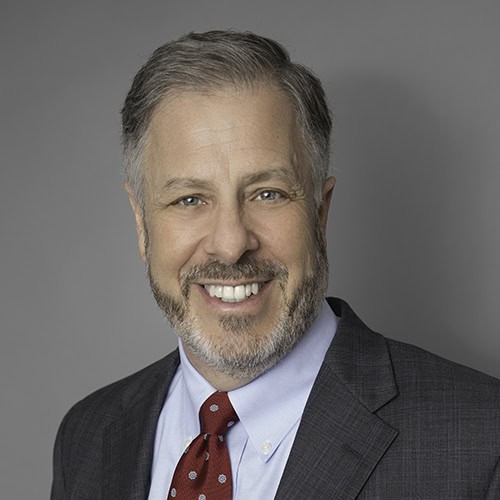
Frank Interlichia
Chief Operating Officer
Senior Consultant & Principal
Marts&Lundy